
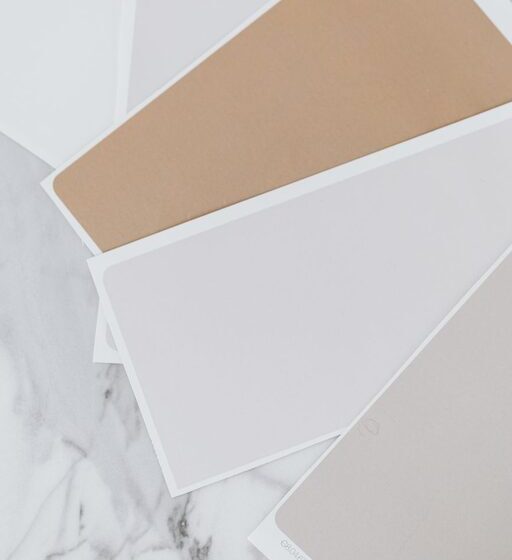

Creating a tranquil atmosphere at home starts with the colors you choose for your walls, furniture, and accessories. Calm colors help reduce stress, encourage relaxation, and make your living space feel inviting and peaceful. If you’re planning to refresh your home’s look or starting from scratch, selecting the right calming color palette is essential.
In this post, we’ll explore useful tips for choosing calm colors that suit your style and create a serene environment throughout your home.
Why Choose Calm Colors?
Calm colors are typically soft, muted, and understated shades that don’t overwhelm the senses. They promote a sense of balance and restfulness by mimicking colors found in nature, like soft blues, gentle greens, warm neutrals, and subtle grays. These colors can help:
– Reduce anxiety and stress
– Improve focus and concentration
– Encourage restful sleep
– Make rooms feel more spacious and airy
Popular Calm Color Choices for Your Home
Before diving into tips, here are some widely appreciated calm colors to consider:
– Soft Blues: Light blues mimic the sky and water, inspiring tranquility and openness.
– Pale Greens: Inspired by nature, green soothes the eyes and promotes harmony.
– Warm Neutrals: Beige, taupe, and soft browns create a cozy, grounded feeling.
– Muted Grays: Soft gray tones offer a modern and elegant backdrop without feeling cold.
– Lavender and Mauve: Soft purples are gentle and calming without being overpowering.
Tips for Choosing Calm Colors
1. Consider the Room’s Purpose
Start by thinking about how you will use the room. Different colors work better in different spaces:
– Bedrooms: Opt for soft blues, lavender, or warm neutrals to promote restful sleep.
– Living Rooms: Warm neutrals and muted greens create an inviting social space.
– Bathrooms: Pale blues and greens evoke cleanliness and calm.
– Workspaces: Soft grays and gentle blues help maintain focus without being distracting.
2. Use Natural Light to Your Advantage
Lighting can dramatically affect how colors appear. Before making a final decision:
– Observe the natural light in your room during different times of day.
– South-facing rooms tend to have warm light; cooler shades like blues and greens work well here.
– North-facing rooms have more blue light, so warmer calm colors like beige or soft peach can balance the coolness.
– Test paint samples on walls to see how they shift with lighting.
3. Stick to a Limited Color Palette
To maintain a serene environment, avoid overly vibrant or clashing colors. Use:
– One or two main calm colors for walls and larger pieces.
– Complementary muted shades for accents such as cushions, rugs, or artwork.
– Neutral tones to balance and ground the palette.
4. Incorporate Various Textures
Calm colors aren’t only about shade—they work better when paired with diverse textures:
– Linen curtains, wool throws, or jute rugs in calm colors add warmth.
– Matte paint finishes help maintain softness, while glossy finishes might feel too sharp.
– Natural wood or stone elements complement calm color schemes beautifully.
5. Sample Before Committing
Paint is an investment, so it pays to be certain:
– Buy small sample pots and paint patches on different walls.
– Live with the color for a few days to observe it in varying light.
– Consider how the color makes you feel — does it genuinely make the space feel calm?
6. Balance Warm and Cool Tones
While cool colors tend to be inherently calming, a mix of warm and cool tones can create a more balanced and inviting space:
– Pair soft blue walls with warm beige furnishings.
– Use muted green accessories alongside gray walls.
– This balance prevents rooms from feeling too cold or too dull.
7. Don't Forget the Ceiling and Trim
The ceiling and trim colors influence the overall mood of a room:
– A crisp white or soft off-white ceiling can make a room feel airy and open.
– Consider painting trim a slightly lighter or darker shade than the walls for subtle contrast.
Final Thoughts
Choosing calm colors for your home is a wonderful way to cultivate a peaceful and welcoming environment. By considering your room’s function, lighting, texture, and personal preferences, you can select a color palette that soothes your mind and complements your style.
Remember, there’s no one “perfect” calm color. The best choice is the one that feels right to you and enhances your comfort in your living space. Take your time, test different hues, and enjoy the process of creating your calm sanctuary.
Happy decorating!