
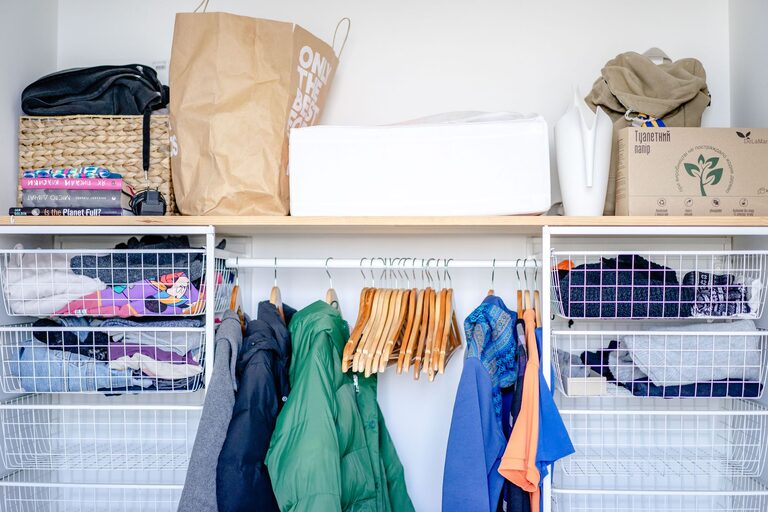

When the seasons change, so do our wardrobes. Storing seasonal clothes efficiently not only saves space but also helps keep your garments fresh and in good condition for the next use. Whether you’re putting away bulky winter coats or delicate summer dresses, having a system in place can make the transition smooth and hassle-free. In this guide, we’ll cover practical tips and tricks to help you store your seasonal clothes efficiently.
Why Proper Storage Matters
Clothing can be sensitive to moisture, pests, and wrinkles if not stored properly. Poor storage can lead to damage such as mold, fading, or unpleasant odors. Efficient storage solutions protect your clothes, extend their lifespan, and keep your living space tidy.
Preparing Clothes for Storage
Before packing away your off-season wardrobe, preparation is key.
1. Clean Everything
Make sure all clothes are clean before storing them. Dirt, sweat, and oils can attract pests and cause stains to set. Wash or dry clean your clothes according to the care label instructions.
2. Repair and Mend
Check for any loose buttons, missing hooks, or small tears and fix them before storage. This avoids further damage and saves you time when you retrieve your clothes.
3. Dry Completely
Make sure clothes are completely dry. Storing damp clothes can lead to mildew and mold, which cause irreparable damage.
Choosing the Right Storage Options
The right storage containers can make a big difference in preserving your clothes and optimizing space.
1. Use Breathable Containers
Avoid plastic bags that trap moisture. Instead, opt for breathable cotton storage bags or fabric bins. These allow air circulation and help prevent mold.
2. Clear Plastic Bins with Lids
For items that need protection from dust and pests, clear plastic bins with tight-fitting lids work well. Just be sure the clothes are dry, and consider adding silica gel packets to absorb moisture.
3. Vacuum-Sealed Bags
If you’re short on space and need to compress bulky clothes like winter coats or sweaters, vacuum-sealed bags are a good option. But avoid long-term storage in these as compressed fabrics can lose shape.
Organizing Clothes for Easy Access
Organizing your clothes properly can save time and frustration when it’s time to switch seasons.
1. Sort by Category
Group clothes by type—shirts, pants, dresses, outerwear, etc. This makes it easier to find specific items later.
2. Label Everything
Clearly label storage containers with their contents. This step helps you find what you need without opening every box.
3. Use Dividers or Small Bags
Within larger containers, use dividers or small pouches to keep smaller items like scarves, gloves, or belts organized.
Storing Clothes in Your Closet
Some seasonal clothes can remain in your closet with smart organization.
1. Use Garment Bags
Lightweight garment bags protect delicate fabrics from dust while keeping them accessible.
2. Rotate Clothes by Season
Move off-season clothes to less accessible areas of your closet, like higher shelves or the back of the closet, to create space for current season items.
3. Utilize Hanging Organizers
Hanging organizers with shelves or pockets can store folded items or accessories neatly inside your closet.
Additional Tips for Seasonal Storage
Keep Storage Areas Clean and Dry
Choose storage spots that are dry, cool, and well-ventilated. Avoid attics or basements that may be prone to humidity or temperature extremes.
Add Natural Fresheners
Use natural fresheners like cedar blocks or lavender sachets to keep clothes smelling fresh and repel moths.
Avoid Overpacking
Give clothes some breathing room in storage containers to prevent wrinkles and maintain their shape.
Check on Stored Clothes Periodically
Every few months, check your stored clothes to ensure they remain in good condition and to air them out if needed.
Conclusion
Efficiently storing seasonal clothes is all about preparation, choosing the right containers, and organizing smartly. Clean, dry clothes packed in breathable containers labeled clearly will stay fresh and ready for use when the next season arrives. With these simple tips, you’ll save space, protect your wardrobe, and make seasonal transitions easier. Happy organizing!