
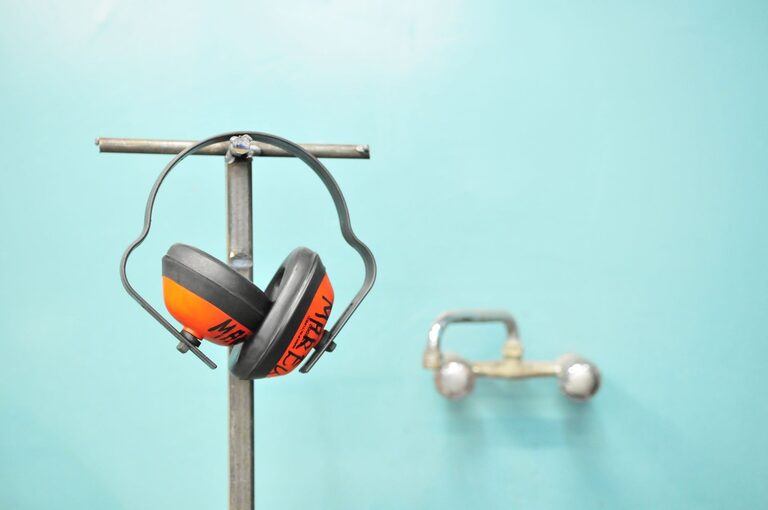

Creating a quiet and peaceful environment at home can greatly improve your comfort and overall well-being. Whether it’s the hum of traffic outside, noisy neighbors, or sounds from within your own home, noise pollution can disrupt your daily life. Fortunately, there are simple and practical ways to reduce noise at home without expensive renovations. In this guide, we’ll explore easy steps to help you minimize unwanted sounds and enjoy a calmer living space.
Understanding Noise and Its Sources
Before tackling noise reduction, it helps to identify the types and sources of noise affecting your home:
– External noise: Traffic, construction, neighbors, pets, or street activity.
– Internal noise: Appliances, HVAC systems, footfalls, or voices within your household.
Once you know where the noise comes from, you can choose the best strategies to reduce it.
Simple Ways to Reduce Noise at Home
1. Use Soft Furnishings to Absorb Sound
Hard surfaces reflect sound, making a room feel louder. Adding soft materials helps absorb sound waves, reducing echo and noise.
– Rugs and carpets: Place thick rugs or carpets on floors, especially if you have hardwood or tile.
– Curtains and drapes: Heavy, floor-length curtains help block outside noise and absorb indoor sounds.
– Upholstered furniture: Sofas, cushions, and fabric chairs contribute to sound absorption.
2. Seal Gaps and Cracks Around Doors and Windows
Even small gaps let noise seep into your home. Sealing these openings can make a big difference.
– Weatherstripping: Apply weatherstripping tape around door frames and window sashes.
– Door sweeps: Attach door sweeps to the bottom of doors to block noise from hallways or outdoors.
– Caulking: Seal cracks and gaps in walls, window frames, and around electrical outlets.
3. Rearrange Furniture Strategically
Furniture placement can help block and absorb noise.
– Position large bookcases or sofas against walls that face noisy streets or neighbors.
– Fill empty corners with plants or storage units to reduce sound reflection.
– Avoid placing beds or seating directly against thin walls.
4. Add Soundproofing Materials
If you want to go a step further, consider affordable soundproofing options:
– Acoustic panels: These can be mounted on walls or ceilings to absorb sound.
– Foam strips: Use acoustic foam strips around doors or noisy appliances.
– Soundproof curtains: Designed with dense materials, these block more noise than regular curtains.
5. DIY White Noise Solutions
Sometimes masking unwanted noise is an effective approach.
– Use white noise machines or apps to create soothing background sounds.
– Fans or air purifiers also generate consistent noise that can help cover intrusive sounds.
6. Manage Noisy Appliances and Electronics
Appliances can contribute to indoor noise levels.
– Place washing machines or dishwashers on vibration-absorbing mats.
– Regularly maintain HVAC systems to reduce rattling or humming.
– Use soft pads under home gym equipment to minimize impact noises.
7. Improve Door and Window Quality
If your budget allows, upgrading doors and windows can greatly reduce noise.
– Install solid-core doors instead of hollow-core ones for better sound insulation.
– Consider double-pane or laminated windows designed to block noise.
Tips for Creating a Quiet Room
If you want a dedicated quiet space, here are some additional ideas:
– Use blackout curtains to block both light and noise.
– Decorate with plush fabrics and soft furnishings.
– Add plants, which can absorb sound and improve air quality.
– Avoid hard flooring; opt for carpets or rugs to soften noise.
Final Thoughts
Reducing noise at home is often about layering multiple simple solutions. Start with soft furnishings and sealing gaps, then explore soundproofing materials and appliance maintenance. With a few thoughtful changes, you can transform your home into a peaceful retreat where unwanted noise no longer disturbs your comfort.
Enjoy the benefits of a quieter home and the calm atmosphere it creates for relaxation, focus, and better sleep.